

Real Estate
5 min read · Jul 22, 2026
Most listing errors aren't fraud — they're a photo from a different unit, or a status field nobody updated. Here's what actually breaks, and what we check for instead.
PROJECX Real Estate Intelligence Team
Published Jul 22, 2026

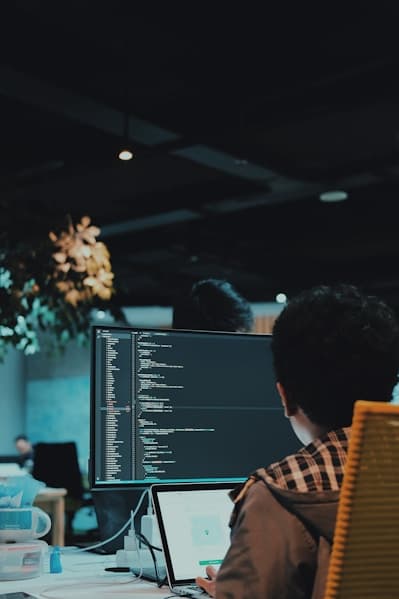
Illustration — PROJECX
{ 01 }
When people imagine listing fraud, they picture someone lying on purpose. In practice, the overwhelming majority of what we catch is duller than that: a status that never got flipped from "available" after the unit rented, a square footage pulled from the wrong floor plan, photos uploaded to the wrong address entirely. None of it is malicious. All of it erodes trust the same way.
That's actually good news, because it means the fix isn't an investigation — it's a cross-check. Does the floor plan match the unit number. Does the photo's metadata match the listing's address. Was this status touched in the last 90 days by a person, not a script.
{ 02 }
Every mismatch gets surfaced to a human reviewer with the two conflicting facts side by side, not a confidence score and a verdict. That's a deliberate choice — a reviewer who sees the evidence catches things the rule didn't anticipate; a reviewer who sees only a red flag starts rubber-stamping it.
CAUGHT BEFORE PUBLISH — MARISOL REALTY GROUP
A cross-market listing was flagged for a floor plan that matched a different unit in the same building. It was fixed before a single buyer saw it.
{ Most bad listings aren't lies. They're a field nobody double-checked — and that's a much easier problem to actually fix. }
{ 03 }
Agents already deal with enough friction. A tool that blocks a listing outright, with no explanation, gets worked around within a week. A tool that says "here's what doesn't match, and here's why it matters" gets used, because it makes the agent's own job easier instead of just policing it.
Written by
PROJECX Real Estate Intelligence Team
The team building the listing-integrity tools real estate platforms use to catch the boring errors before a buyer does.
Topics
Continue reading
How we think about catching small errors before they become big ones.